
Advanced Air Purifiers & Filtration Systems for Healthy Homes: Expert Insights and Solutions
By The Coolest Air, The Coolest Air
As indoor air quality continues to be a major consideration for health-conscious homeowners, advanced air purifiers and filtration systems emerge as essential solutions for a healthier living environment. These systems significantly reduce airborne contaminants, allergens, and pollutants, making them especially vital for individuals sensitive to air quality. In this guide, you’ll uncover how various air purification technologies work, the notable benefits they provide, and how to select the right system for your unique needs. We will also touch on effective maintenance practices to optimize the longevity and performance of air purification solutions. Prepare to dive into the crucial aspects of HEPA filters, portable versus whole-home units, and best practices for maintaining these essential devices.
Benefits of HEPA Filters
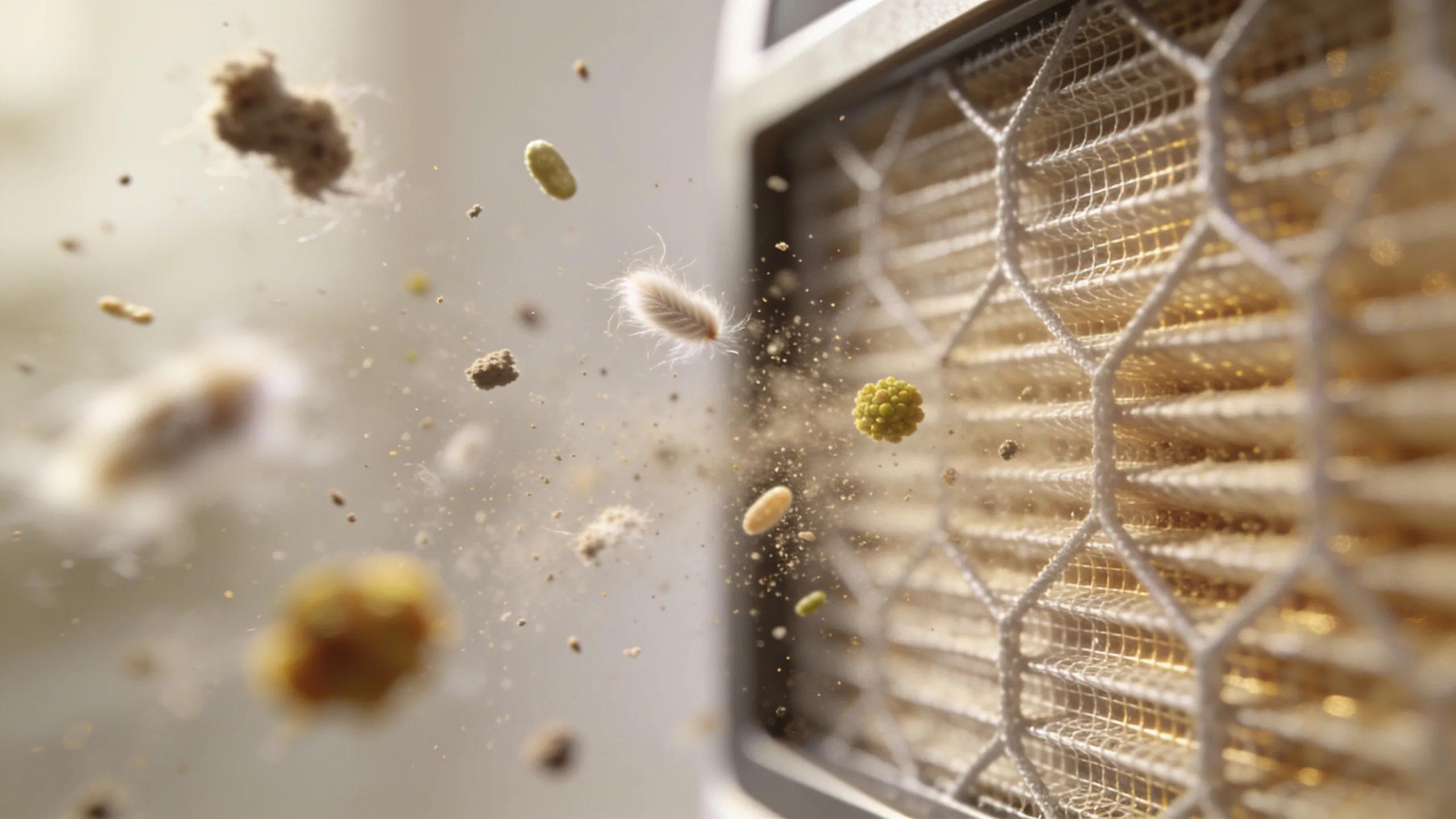
HEPA (High-Efficiency Particulate Air) filters are renowned for their ability to capture 99.97% of particles measuring 0.3 microns or larger, making them incredibly effective in improving indoor air quality. Through advanced filtration mechanics, HEPA filters trap a vast range of allergens such as pollen, pet dander, and dust mites, providing immediate relief for allergy sufferers. This effectiveness leads to significant health benefits, including reduced respiratory issues and overall improved well-being, highlighting their importance in air purification systems. The widespread use of HEPA filters in both portable air purifiers and HVAC systems further illustrates their vital role in creating healthier home environments.
After understanding the advantages of HEPA filters, it’s essential to explore how they specifically contribute to reducing allergens in our indoor spaces.
Effectiveness in Reducing Allergens
HEPA filters excel at reducing airborne allergens, which can significantly impact health and comfort. Common allergens such as dust mites, pollen, and pet dander are effectively filtered out, leading to a notable decrease in allergy symptoms for many individuals. The technology behind HEPA filters relies on physical barrier methods, where particles become trapped as the air flows through the filter material. This proactive filtration can dramatically enhance the quality of the indoor environment, making it safer and more comfortable, particularly for those with existing health conditions.
By naturally focusing on individual air purification units, it’s crucial to compare portable and whole-home air systems to determine which best fits your lifestyle and needs.
Portable vs. Whole-Home Units
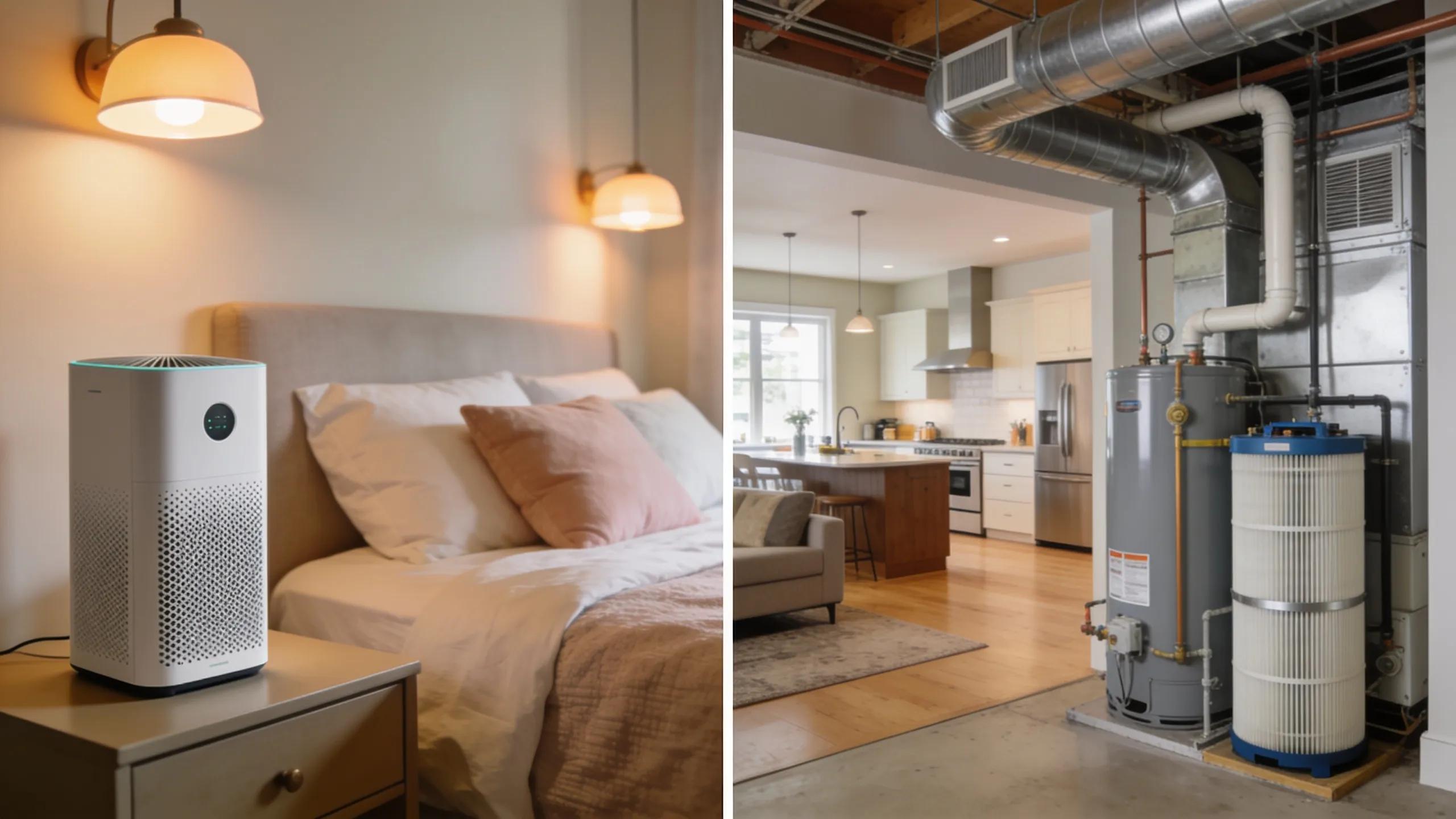
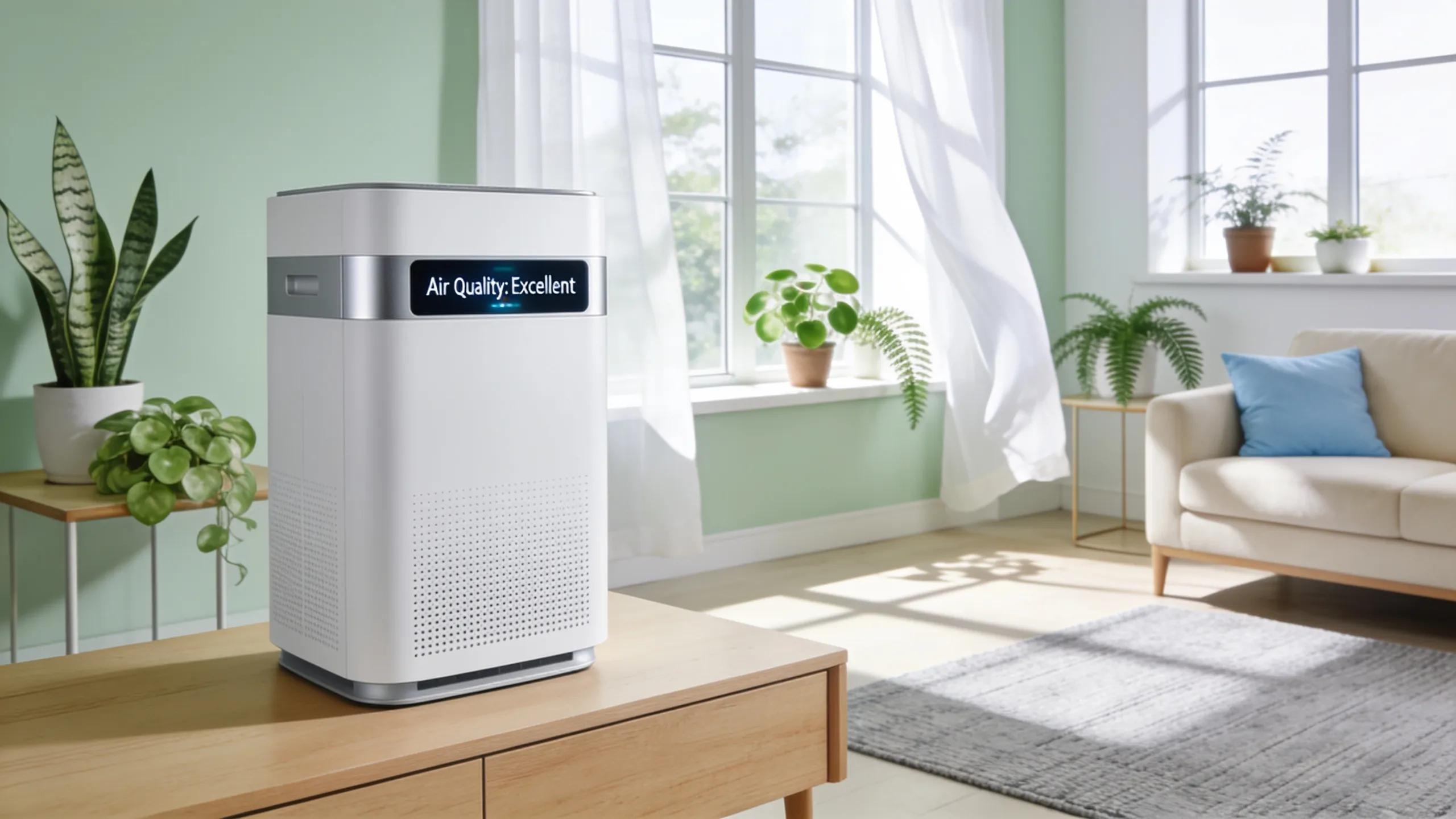
When considering air purification solutions, both portable air purifiers and whole-home filtration systems come with distinct advantages suited to different situations. Portable units offer mobility, allowing users to target specific areas, making them ideal for smaller spaces or for individuals who want localized relief from airborne irritants. They tend to be cost-effective and easy to install, providing immediate benefits without requiring significant adjustments to existing home systems.
Conversely, whole-home filter systems connect directly to existing HVAC infrastructure, ensuring comprehensive coverage across multiple rooms. These systems provide a continuous flow of filtered air, making them beneficial for larger households or those with ongoing air quality issues. Assessing your home size, budget, and specific air quality needs can help guide your decision-making process when choosing between these two types of air purifiers.
To maintain optimal performance of air purification systems, adhering to regular maintenance practices is crucial.
Maintenance Practices
Regular maintenance is essential for ensuring the effectiveness of air purification systems. Understanding the frequency and types of maintenance required helps extend the lifespan of the equipment and ensures continual optimal performance.
- Filter Replacement: HEPA filters should typically be replaced every 6-12 months depending on usage and air quality levels.
- Duct Cleaning: Regular inspections and cleaning of ductwork can prevent dust buildup, enhancing the overall effectiveness of the air purification system.
- Professional Inspections: Scheduling annual professional inspections can pinpoint potential issues and facilitate timely repairs, thus maintaining system efficiency.
Implementing these maintenance practices significantly contributes to sustained air quality improvement.
Additional Solutions for Improved Air Quality
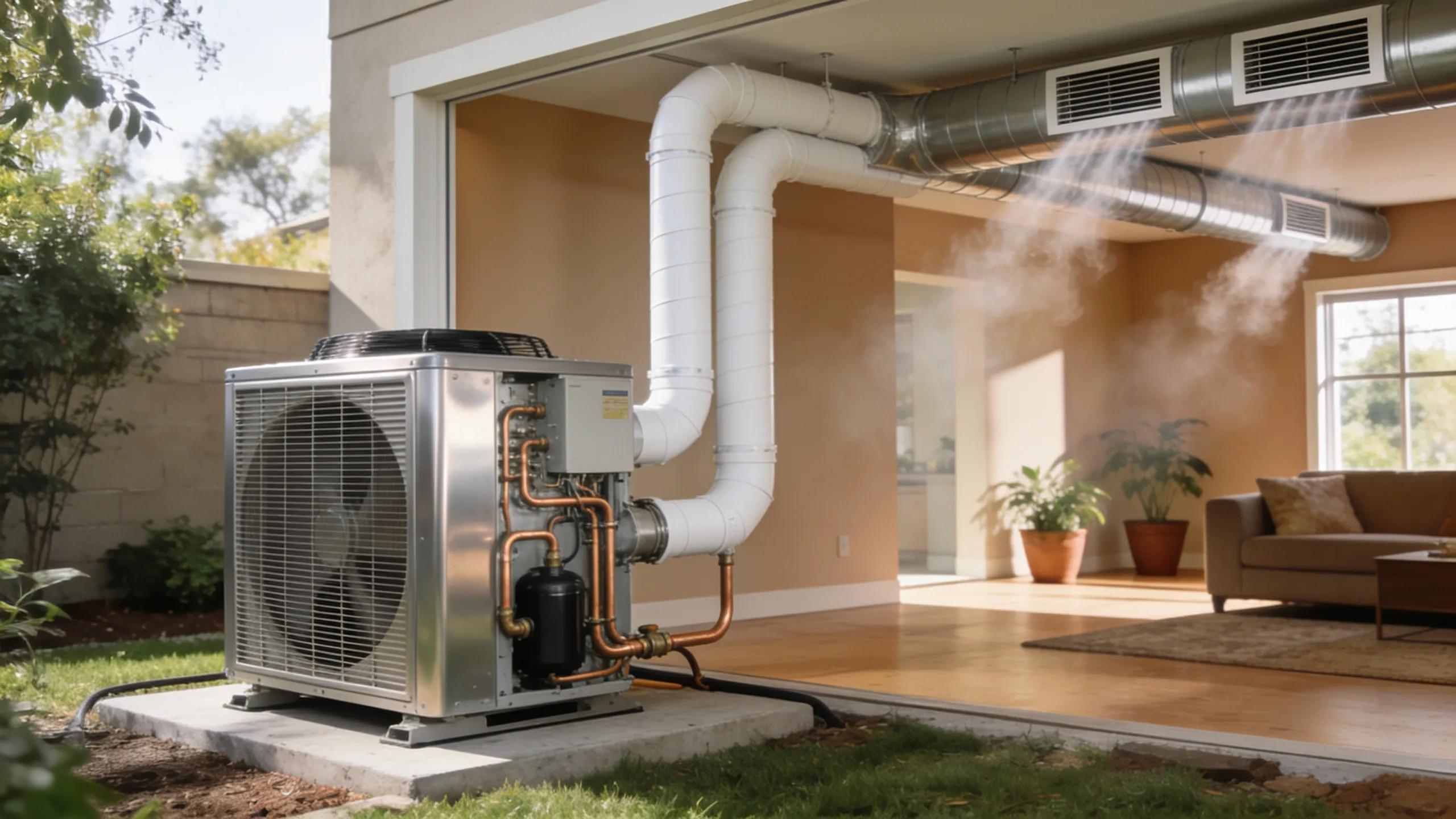
Beyond traditional air purifiers, several technologies can enhance indoor air quality. Incorporating dynamic systems like mini-split systems, UV germicidal lights, and humidity control devices can complete an air quality approach.
- Mini-Split Systems: These systems not only provide heating and cooling but also ensure proper air circulation and filtration throughout the home.
- UV Germicidal Lights: Effective in removing pathogens and microbes from the air, UV lights work in conjunction with existing HVAC systems to improve health outcomes.
- Humidity Control Devices: Maintaining balanced indoor humidity levels can inhibit mold growth and further enhance air quality.
In seeking the best system for your home, it’s important to consider various factors that cater to your specific requirements.
Recommendations for Selecting the Best Systems
Choosing the right air purification system demands careful consideration of several factors tailored to the individual’s needs.
- Home Size: Evaluate the square footage of your living space. Portable units may suffice for smaller areas, while larger homes typically benefit from whole-home units.
- Filter Type Selection: Identifying the right filter type based on specific allergens present in your environment is crucial for optimal performance.
- Energy Efficiency Importance: Consider energy-efficient units, as they will reduce operational costs while contributing to long-term sustainability.
The effectiveness of any air purification system hinges on understanding these components and how they align with personal requirements.
What Are the Key Benefits of HEPA Air Filtration for Allergy Relief?
HEPA air filtration provides numerous advantages for individuals suffering from allergies. The primary benefit is the substantial reduction in allergy symptoms, as these filters effectively eliminate common airborne allergens.
The mechanisms behind this filtering process involve trapping particles via dense filtration fibers that capture allergens as air passes through the matrix. With consistent use, the overall health benefits include improved respiratory function and reduced environmental triggers for allergic reactions.
How Do HEPA Filters Reduce Airborne Allergens Effectively?
HEPA filters function by utilizing a combination of size exclusion, interception, and inertial impaction to capture particles. This mechanism allows them to remove particles as small as 0.3 microns, significantly improving indoor air quality by eliminating dust, pollen, smoke, and other common allergens that can exacerbate respiratory conditions.
Which Common Allergens Are Targeted by Advanced Air Purifiers?
Advanced air purifiers equipped with HEPA filters specifically target a variety of common allergens, including:
- Dust Mites: These microscopic organisms thrive in household dust and can trigger allergic reactions.
- Pollen: Responsible for seasonal allergies, pollen from various plants can enter homes and circulate through the air.
- Pet Dander: Shed skin and hair from animals can significantly impact individuals with sensitivities, making effective filtration critical.
- Mold Spores: These can be released into the air and contribute to respiratory issues, particularly in damp environments.
By addressing these allergens effectively, air purifiers significantly enhance the comfort and health of users.
How to Choose Between Portable and Whole-Home Air Purifiers?
Deciding on the right air purifier involves evaluating your specific needs and the contexts in which the purifier will be used.
- Decision Criteria: Consider mobility and flexibility for areas needing targeted purification versus a systemic solution for pervasive air quality issues.
- User Needs Assessment: Understand who in your household is most affected by allergies and tailor your choice accordingly.
- Cost-Benefit Analysis: Analyze the long-term investments versus short-term gains, considering both financial and health-related aspects.
Understanding these considerations aids consumers in making informed choices about air purification solutions.
What Are the Advantages of Portable Home Air Cleaners?
Portable air cleaners provide several unique benefits:
- Flexibility and Mobility: Users can easily move units from room to room as needed, focusing filtration where it is most necessary.
- Cost-Effectiveness: Generally, initial costs are lower than whole-home systems, making them accessible for various budgets.
- Targeted Applications: Whether for a specific high-traffic area or a bedroom, portable units can be temporarily deployed in spaces requiring immediate relief.
These advantages make portable solutions highly effective for improving air quality in diverse settings.
When Is a Whole-Home Filtration System the Best Indoor Air Quality Solution?
Whole-home filtration systems shine in contexts where broader air quality improvement is essential.
- Scope of Coverage: They provide comprehensive filtration across multiple rooms, ensuring that every corner of the home benefits.
- Health Considerations: Houses with more residents or occupants with respiratory conditions can benefit significantly from continuous air purification.
- Long-Term Cost-Effectiveness: Though initial setup costs may be higher, the efficiency and reduced need for separate units can lower long-term maintenance costs.
For those seeking systemic solutions, whole-home filtration is often the best choice.
What Maintenance Practices Ensure Optimal Performance of Air Purification Systems?
To make the most of your air purification system, adherence to best maintenance practices is critical.
- Regular Inspections: Check units regularly for dust accumulation, ensuring optimal airflow and filter performance.
- Filter Maintenance: Replacing or cleaning filters as recommended is essential to maintain effective pollutant removal.
- Cleaning Schedules: Establish consistent schedules for both maintenance and deep cleaning to ensure your air quality remains high.
Implementing these practices will help to prolong the life and efficiency of your air purification systems.
How Often Should HEPA Filters Be Replaced or Cleaned?
HEPA filters require replacement every 6-12 months, depending on usage and environmental factors. Signs of deterioration include decreased airflow or increased noise, indicating a need for immediate replacement. Regular maintenance not only enhances efficiency but also ensures sustained air quality benefits throughout the year.
What Are Common Operational Tips for Long-Term Air Purifier Efficiency?
To maximize the effectiveness of air purifiers, users should integrate practical operational tips:
- Proper Usage Practices: Place units in optimal locations for airflow without obstruction to boost efficiency.
- Cleaning Techniques: Regularly dust and clean the area surrounding the unit to reduce the influx of contaminants.
- Integration with Home Systems: Syncing purifiers with HVAC systems can enhance effectiveness, providing a holistic solution to indoor air quality challenges.
By following these tips, users can ensure their air purifiers function at peak efficiency throughout their lifespan.
How Does The Coolest Air Support Killeen TX Residents with Air Quality Solutions?
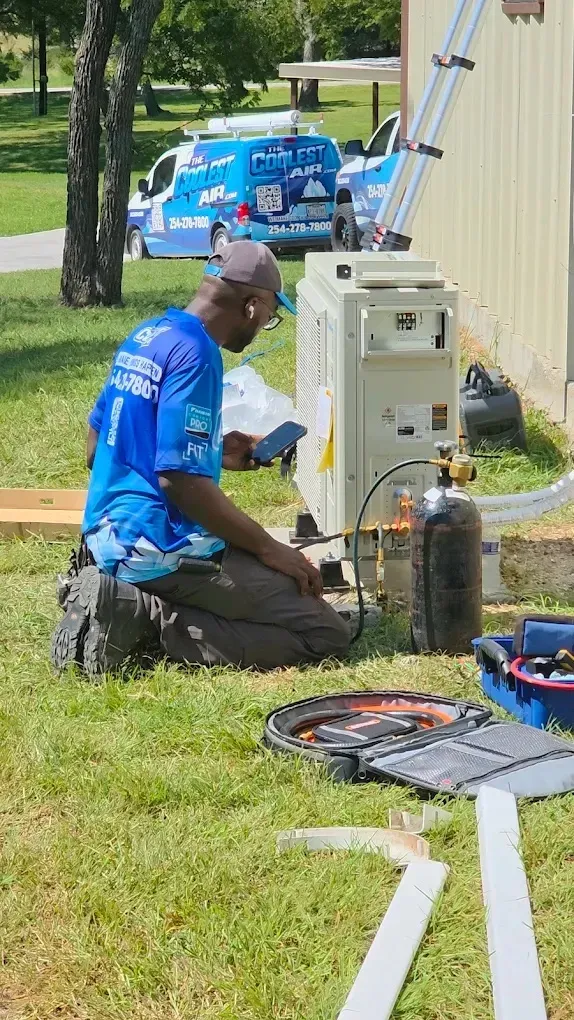
The Coolest Air specializes in HVAC solutions serving Killeen, TX, with a focus on enhancing indoor environments through professional air purification services. Our expertise includes assessing individual needs to recommend appropriate systems that cater to diverse household sizes and air quality challenges. Providing residents with reliable information and installation services, our aim is to facilitate healthier living conditions across the community.
What Financing Options Are Available for Advanced Air Purifier Installation?
Understanding the financial aspect is essential when considering advanced air purification systems. We offer various financing options tailored for homeowners, making it easier to invest in essential air quality improvements without straining resources. These options often include structured payment plans and promotional financing rates, making it accessible for all budgets to engage in healthier living solutions.
How Can Customers Schedule Expert HVAC and Air Filtration Services Locally?
Residents interested in upgrading or installing new air filtration systems can conveniently schedule services with The Coolest Air. To begin, simply call us at (254) 278-7800, and our team will assist you in determining the best solutions tailored to your home environment. We prioritize customer engagement and strive to provide seamless service experiences, ensuring your air quality requirements are met promptly and efficiently.
What Are the Latest Innovations and Industry Trends in Air Purification for 2026?
Current trends in air purification technology are focused on enhancing efficiency and user experience. Innovations like smart air purifiers that incorporate IoT for remote monitoring and control, as well as advanced filtration methods using nanotechnology, are leading the market. These developments promise improved pollutant removal capabilities and personalized air quality management, underscoring the growing importance of indoor air quality in modern homes.
How Are Emerging Technologies Improving Allergy Air Purifier Effectiveness?
Emerging technologies are shaping the future of air purification. By employing advanced filtration materials, including activated carbon and titanium dioxide, newer models are better equipped to handle a variety of pollutants. Furthermore, integrating smart sensors helps in adjusting filtration settings in real-time according to air quality metrics, significantly improving allergy reduction efficiency and overall effectiveness.
Which Air Cleaning Systems Are Leading the Market in 2026?
With the rapid evolution of air cleaning systems, certain brands and technologies are rising to prominence. Expect to see continued interest in systems that combine HEPA filtration with advanced additional technologies, such as UV-C light and activated carbon layers for comprehensive air quality solutions. Insights from customer reviews highlight models that excel in user-friendliness and energy efficiency, directly impacting long-term user satisfaction and health outcomes. By staying informed about these trends, consumers can make educated choices that best suit their homes.